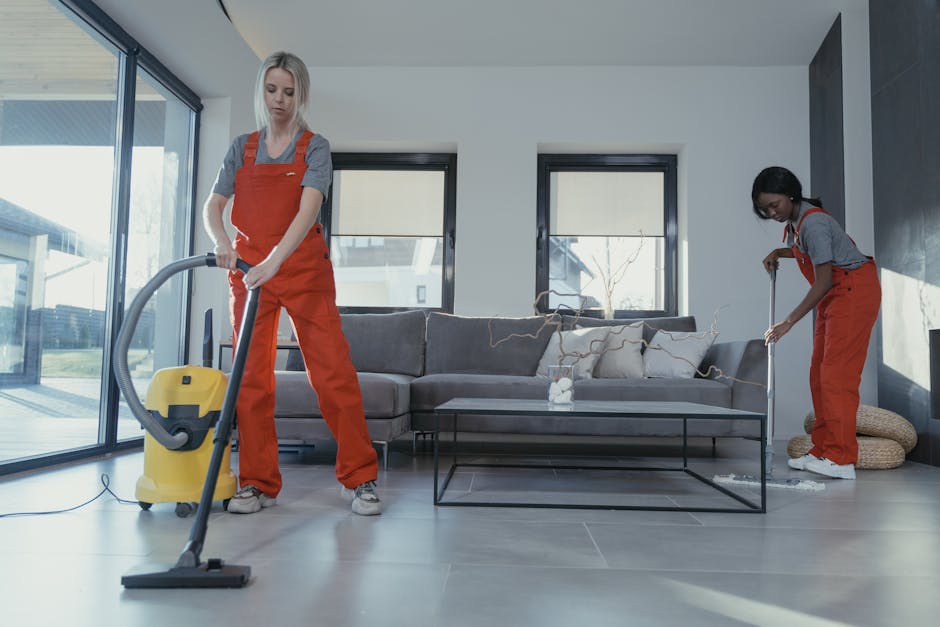
What to know about booking cleaners for Somers Town flats

Booking cleaners for a flat in Somers Town sounds simple enough, until you start thinking about access, building rules, fragile surfaces, shared entrances, tight stairwells, and whether the cleaner actually understands what a London flat needs. That's usually where the real questions begin. What should you ask? What should be included? How do you compare options without getting lost in the fluff?
This guide explains what to know about booking cleaners for Somers Town flats in a practical, no-nonsense way. We'll look at how the process works, what good service looks like, what to watch out for, and how to avoid the little mistakes that cause stress later. If you live near Euston, around NW1, or in one of the older mansion blocks and converted buildings nearby, a few sensible checks can save a lot of hassle.
And yes, the details matter. One missed patch of limescale in a tiny bathroom can somehow feel ten times more annoying than it should. Funny how that works.
Why booking cleaners for Somers Town flats matters
Somers Town flats are a bit of a mixed bag, and that is precisely why cleaning arrangements need thought. You may be in a compact modern apartment, a Victorian conversion, or a purpose-built block with shared access and strict rules about entry, noise, and communal areas. A cleaner who works well in a suburban house may still need a bit more direction in a city flat.
The main reason this matters is simple: flats often collect dirt in different ways. Hallways are narrower, dust settles faster, kitchens work harder, and bathrooms can feel humid. In older buildings, you may also see mould around window seals, grime on tricky corners, and more wear on upholstery or carpets. To be fair, a flat can look tidy at first glance and still have hidden cleaning issues once you look closer.
There's also the practical side. When you live in a flat, cleaning is not only about appearance. It affects comfort, hygiene, and sometimes your deposit, your landlord relationship, or your own sanity after a long week. If you work long hours, commute through busy stations, or juggle family life in a smaller space, regular cleaning becomes less of a luxury and more of a sensible support.
Another local reality: shared buildings can create extra pressure. Lift buttons, entrance mats, stair rails, bin stores, and communal dust all mean the mess does not stay politely in one corner. The cleaner needs to understand what they're walking into and what standard you expect. That part is easy to overlook until the first visit goes sideways.
Expert summary: for Somers Town flats, the best booking decisions are usually the boring ones: clear scope, clear access, clear expectations, and a cleaner who understands flat-specific issues like limited parking, access windows, and smaller but more detailed cleaning jobs.
How booking cleaners for Somers Town flats works
The process is usually straightforward, but a good booking should feel more like a mini consultation than a rushed yes-or-no. First, you decide what kind of clean you need. Then you share the basics of the flat: number of rooms, floor type, surface materials, pets, stains, access details, and whether you need anything special like oven cleaning, upholstery care, or carpet work.
From there, a proper provider may ask follow-up questions. That's a good sign. A cleaner asking about carpet condition or access times is not being awkward; they are trying to avoid surprises. If they don't ask anything at all, well... that can be a clue too.
Booking often works in one of three ways:
- Fixed package booking: useful for standard flat cleans where the tasks are predictable.
- Custom quote booking: better if you have a larger flat, unusual surfaces, end-of-tenancy needs, or problem areas.
- Recurring appointment booking: best for people who want regular support, such as weekly or fortnightly cleaning.
Once the job is agreed, the cleaner should confirm the date, time, scope, and any preparation needed. Good cleaners also clarify what is excluded. That can include inside appliance cleaning, high-level dusting, specialist stain removal, or moving very heavy furniture. Clear boundaries save everyone a headache.
If you want to compare how a service explains pricing and scope, it can help to look at the provider's pricing and quotes information before you book. It gives you a sense of whether the business is transparent or trying to keep everything vague until the last moment.
The actual visit tends to follow a practical rhythm. The cleaner arrives, checks access, reviews the space, confirms any priorities, and gets started. For a flat, that early walkthrough is particularly useful because there's often less room for error and fewer places to put equipment. A few minutes of organisation at the start usually saves thirty minutes of awkward backtracking later.
Key benefits and practical advantages
When done properly, booking cleaners for a Somers Town flat is not just about convenience. There are some very real advantages, and the best ones are felt in day-to-day life rather than on a checklist.
- Better use of limited space: small flats can start to feel cluttered quickly, so a professional clean helps the whole place feel calmer.
- More consistent standards: a trained cleaner is likely to follow a routine and not miss the same awkward corners every time.
- Support for busy routines: if you're working, studying, or commuting, offloading the cleaning gives you time back.
- Improved presentation: useful for landlords, tenants, hosts, or anyone preparing for a move.
- Less wear on surfaces: the right products and methods can help protect carpets, sofas, worktops, and curtains.
There's another benefit that people sometimes underestimate: mental space. Walking into a properly cleaned flat after a damp commuter evening can genuinely change the tone of the whole day. Not dramatic. Just better. Cleaner air, clearer surfaces, less visual noise.
For flats with mixed surfaces, specialist services can make a big difference. Carpet care, for example, is not the same as general vacuuming. If your flat has rugs, a sofa that traps dust, or curtains that hold odours, it may be worth asking about carpet cleaning, upholstery cleaning, or even curtain cleaning when you book. That's especially sensible if you want the flat to feel genuinely refreshed rather than just surface-tidy.
In our experience, people often book a basic clean first and then realise a deeper service would have solved the underlying issue. A stale smell, for instance, may not be a "cleaning day" problem at all. It might be in fabric, carpet pile, or somewhere a vacuum alone will never fix. Annoying, but fixable.
Who this is for and when it makes sense
Booking cleaners for Somers Town flats makes sense for more people than you might think. It is not only for busy professionals or people with a spotless-home obsession. It helps anyone whose flat presents a cleaning challenge that is easier handled by a reliable service.
It may be right for you if you are:
- a tenant preparing for a move-out or preparing for an inspection
- a landlord maintaining a rental property between occupants
- a homeowner who wants recurring support and less weekend cleaning
- a flatshare managing shared standards across several people
- someone recovering from a busy period, renovation, or life upheaval
- a pet owner dealing with fur, odour, or tracked-in dirt
It also makes sense when the flat simply has more to clean than your time allows. Let's face it, sometimes the issue is not motivation. It is just the calendar. If you are staring at a kitchen splashback at 9 p.m. and wondering how it became that grimy, you probably already know the answer.
For move-out situations, a more thorough service may be needed. End-of-tenancy work is about more than looking tidy; it is about hitting a standard that may be checked by a landlord or letting agent. If that's your situation, planning ahead matters more than trying to improvise on the final evening.
On the other hand, if you only need occasional support, a routine domestic clean may be enough. The trick is matching the service to the real problem. No more, no less.
Step-by-step guidance
If you want a clean booking experience, the best approach is to treat it like a small project. Nothing fancy. Just organised.
- List the rooms and surfaces. Note bedrooms, bathrooms, kitchen type, carpets, hard flooring, upholstery, and any delicate items.
- Decide the outcome you want. Are you looking for a regular upkeep clean, a deep clean, a one-off refresh, or move-out support?
- Check access details. Think about keys, entry codes, parking, lift access, time restrictions, and whether the cleaner needs to call ahead.
- Identify problem areas. Mould, pet smells, old stains, grease, dust build-up, and bathroom limescale are worth flagging early.
- Ask what is included. A solid booking should spell out tasks rather than leave you guessing.
- Ask about products and methods. This matters if you have allergies, delicate materials, or anything that needs careful handling.
- Confirm the price basis. Is it hourly, fixed fee, room-based, or quote-led? Make sure you know what could change it.
- Prepare the flat. Tidy away valuables, clear surfaces where possible, and note anything that should not be touched.
- Walk through after the clean. Check the main rooms before the cleaner leaves, if you can.
A quick example: if you live in a two-bed flat near a busy road and your windowsills collect black dust, a general clean is helpful, but you may also want specific attention on dusting, window ledges, and soft furnishings. That sort of detail is exactly why the first conversation matters.
To make the process smoother, you can also check the provider's wider service pages. For example, if carpets are a major issue, a dedicated steam carpet cleaning approach may be more appropriate than a standard vacuum-based visit. And if there's a stubborn mark from a spill or a mystery patch on the hallway runner, stain removal might be the relevant add-on rather than a generic clean.
Expert tips for better results
A few small habits tend to improve the outcome more than people expect. None of this is complicated, but it does make the clean feel smoother and more effective.
- Be specific about priorities. "Kitchen and bathroom first" is much more useful than "please clean everything."
- Mention materials early. Marble, natural stone, velvet, leather, and older wood finishes may need different care.
- Ask about pet-related cleaning. Pet hair and odour can linger in fabrics long after the flat looks tidy.
- Keep a short problem list. Three key issues are better than a vague wall of text nobody reads properly.
- Choose timing carefully. If you work from home, a morning slot may be less disruptive than the middle of the day.
One thing professionals often appreciate: a quick note about what matters most to you. Maybe it is the bathroom mirror because guests always seem to notice it. Maybe it is the skirting boards because dust shows in natural light in a way that is weirdly unforgiving. Say it plainly. It helps.
For people who want regular upkeep, a recurring routine can be more valuable than occasional deep cleans. If you like keeping on top of clutter and dirt between visits, some of the ideas in this routine-focused cleaning guide may give you a better framework for day-to-day maintenance. A cleaner works best when the flat has a sensible baseline, even if that baseline is just "less chaos than last week."
And one tiny but real tip: before the cleaner arrives, switch on a light in any dim rooms and make sure the sink is empty. Saves time. Saves faff. Little things, but they add up.
Common mistakes to avoid
Most booking problems come from simple assumptions. The service looked fine online, so people skip the boring questions. Then the day arrives, and suddenly there's confusion over scope, price, or access. Not ideal.
- Not defining the job properly. A "clean" can mean very different things to different providers.
- Assuming all flats need the same approach. A studio flat and a two-bed conversion are not the same workload.
- Ignoring access issues. In Somers Town, entry details, parking, and building security can make or break punctuality.
- Forgetting specialist areas. Carpets, upholstery, curtains, and mattresses need separate attention sometimes.
- Skipping the quote details. Hidden add-ons often appear when the scope is not clear from the start.
- Leaving fragile items out. It sounds obvious, but it is easy to forget in a busy flat.
Another common mistake is booking the wrong level of service. A deep clean is not just a regular clean with extra enthusiasm. It is often more detailed, slower, and more suitable for neglected spaces, move-ins, or post-rental resets. If you only need routine maintenance, don't overbuy. If you need a proper reset, don't underbook. That sounds simple, but people get this one wrong all the time.
One more small warning: do not let vague communication drift into the appointment itself. If the cleaner arrives and nobody knows whether the oven, fridge, or skirting boards are included, the day becomes patchy very quickly. A good booking avoids that from the start.
Tools, resources and recommendations
You do not need a cupboard full of equipment to book a cleaner well, but a bit of preparation helps. A decent booking process is partly about communication tools and partly about understanding the service menu.
Useful things to have to hand before you book:
- a short list of rooms and surfaces
- photos of problem areas if the provider asks for them
- the flat's access information
- any allergy or product sensitivity notes
- your preferred date window and flexibility
If you are comparing services, the provider's pages on sofa cleaning, mattress cleaning, and rug cleaning can help you decide whether your flat needs more than a standard domestic clean. That is especially useful in smaller flats where soft furnishings carry a lot of the room's dust and odour load.
If you have pets, you may also want to look at pet stain and odour removal. Truth be told, pet smells can be stubborn in flats because air circulation is often limited, and the issue can feel larger than the room itself.
For those interested in greener choices, it's reasonable to ask about cleaning products and disposal practices. Some providers also think about waste reduction and responsible product use. If that matters to you, a page like recycling and sustainability can give a useful sense of the company's approach.
And if you want to understand how a provider handles bookings, payments, and customer concerns, their information pages on payment and security, terms and conditions, and complaints procedure are worth a quick look. Not exciting, granted, but very useful when you need clarity.
Law, compliance, standards, and best practice
For domestic cleaning in flats, the main thing to remember is that good practice matters as much as the booking itself. You generally want a provider who is clear about safety, insurance, payments, and how they handle customer information. That is not being fussy. It is just sensible.
If cleaners are entering your home, especially when you are not there, you should expect careful handling of access, keys, and privacy. A trustworthy provider should be transparent about how they manage that responsibility. If you are comparing options, it is reasonable to check statements on insurance and safety and the company's health and safety policy.
For the reader, a few best-practice expectations are worth keeping in mind:
- Clear scope: know exactly what is included.
- Safe product use: cleaners should use products appropriately for the surface.
- Respect for personal property: items should not be moved carelessly.
- Transparent payment terms: no one likes surprise charges halfway through.
- Professional conduct: punctuality and communication matter more than people admit.
In London, people are often dealing with compact spaces, shared buildings, and landlord or tenancy expectations. That makes consistency especially important. You may not need formal paperwork for a standard domestic clean, but you do want a provider that behaves as if details matter - because they do.
If you're ever unsure about how a business handles its information or booking process, a quick read of the privacy policy and accessibility statement can tell you more than you might think. Those pages are often overlooked, but they say something about how carefully a company runs its operations.
Options, methods, and comparison table
There are several ways to book cleaning support for a flat, and the best option depends on what needs doing. Here's a simple comparison to help you decide.
| Option | Best for | Typical strengths | Watch out for |
|---|---|---|---|
| Regular domestic clean | Ongoing upkeep and busy households | Reliable maintenance, less build-up, good routine | May not cover heavy grime or specialist stains |
| Deep clean | First-time visits, neglected areas, seasonal refreshes | More detailed attention, better reset of the flat | Takes longer and usually costs more than a standard clean |
| End-of-tenancy clean | Move-outs and rental handovers | Focused on inspection-friendly results | Needs clear timing and room-by-room scope |
| Specialist add-on | Carpets, sofas, mattresses, odours, or stains | Targets problem areas more effectively | Should be booked alongside the main service, not assumed |
For many Somers Town flats, a blended approach works best. Maybe the flat needs a general clean plus carpet treatment. Or maybe you only need kitchen and bathroom focus because the rest is already under control. There is no prize for booking more than you need.
If you are trying to understand the difference between methods, you may also want to look at professional carpet shampooing compared to DIY methods. It helps frame why certain tasks are better left to a specialist rather than tackled with a rental machine and hope.
Likewise, if your flat's carpets are the main concern, a comparison between steam carpet cleaning and a general surface clean can help you choose a better option for the material and condition you actually have.
Case study or real-world example
Here's a typical scenario. A tenant in a two-bedroom flat near Somers Town needs a clean before moving out. The flat looks tidy enough at first glance, but the bedroom carpet has traffic marks, the sofa holds a faint pet smell from a previous occupant, and the bathroom has limescale around the taps. Nothing extreme. Just enough to become a problem if ignored.
Instead of booking a generic one-hour visit, they list the issues clearly: carpets, upholstery, bathroom detail, and kitchen grease. They ask about access, give a realistic time window, and mention that the building has controlled entry. The cleaner arrives with the right expectations, allocates time properly, and finishes with fewer surprises.
What changed? Not magic. Just clarity. The booking covered the actual job, not a vague idea of "general cleaning." The result was better because the plan matched the flat.
That same approach works for owner-occupiers too. For example, someone living alone in a compact flat may not need regular full cleans, but they may want a seasonal reset after winter, especially if windows stay shut for months and the air feels a bit stale. A targeted booking is often enough. You notice the difference the moment you walk in, especially on a cold morning when the room no longer smells musty.
Practical checklist
Before you book cleaners for a Somers Town flat, run through this quick checklist. It keeps the process neat and cuts down on avoidable back-and-forth.
- Have I decided whether I need a regular clean, deep clean, or specialist service?
- Have I listed the rooms, surfaces, and problem areas?
- Do I know how the cleaner will access the flat?
- Have I mentioned pets, allergies, stains, or delicate materials?
- Do I understand what is included and what is not?
- Have I checked the provider's pricing, policies, and safety information?
- Have I prepared valuables and cleared obvious clutter?
- Do I know whether I need add-ons like carpet or upholstery cleaning?
- Have I set aside time to inspect the results after the clean?
- Am I choosing a service that fits my flat, not somebody else's?
Quick takeaway: the best cleaner for a Somers Town flat is usually the one who asks good questions, gives clear answers, and understands the realities of compact London living. Simple, really. But that simple part makes all the difference.
Conclusion
What to know about booking cleaners for Somers Town flats comes down to fit, clarity, and realism. Flats in this part of London often have limited space, shared access, mixed surface types, and cleaning challenges that don't always show up in a quick glance. A good booking process accounts for all of that before anyone turns up with a vacuum.
If you remember nothing else, remember this: be clear about what you want, honest about the flat's condition, and selective about the type of clean you book. That approach saves time, reduces stress, and gives you a better result. And if you ask a few sensible questions before confirming, you'll usually end up with a much smoother experience than the average last-minute booking.
If you are still weighing up your options, it may help to review the company's service pages, pricing, and policies before making a decision. That little bit of checking is rarely wasted.
Get a free quote today and see how much you can save.
Sometimes the best home decision is the one that quietly makes the week feel lighter.
Frequently Asked Questions
How do I know what type of cleaning my Somers Town flat needs?
Start by looking at the real problem, not the whole flat at once. If the place is generally tidy, a regular domestic clean may be enough. If grime has built up, you may need a deep clean. If you are moving out, an end-of-tenancy clean is usually more appropriate. Carpets, sofas, stains, and odours may need specialist add-ons.
Should I book a deep clean or a standard clean?
A standard clean is better for ongoing upkeep. A deep clean is better when the flat needs more detailed attention, such as after a long gap between cleans, before guests arrive, or after a tenancy ends. If you are unsure, ask for a quote based on the flat's actual condition rather than guessing.
What details should I share when booking cleaners?
Share the number of rooms, access arrangements, parking or entry issues, pets, allergies, and any problem areas like stains, mould, grease, or odours. The more specific you are, the less room there is for confusion later. It really does help.
Do cleaners for flats in Somers Town need special access information?
Often, yes. Flats may have entry codes, intercoms, concierge desks, controlled building access, or limited parking nearby. Let the cleaner know how they get in, where they can park if needed, and whether there are timing restrictions. That avoids delays and awkward waiting around.
Can I book carpet or upholstery cleaning at the same time?
Usually, yes. In fact, that is often the smarter option if your flat has soft furnishings that hold dust or smells. Carpets, sofas, rugs, and mattresses can need separate treatment, so it is worth asking about those services at the same time as the main clean.
How far in advance should I book?
As early as you can if you need a specific date, especially around move-out periods or busy weekends. For routine cleaning, there is often more flexibility, but good providers can still fill up quickly. If your timeline is tight, mention that immediately so expectations are realistic.
What if I have pets in the flat?
Tell the cleaner in advance. Pet hair, stains, and odours can affect the products and methods used. If pet smells are a concern, ask whether odour removal or targeted fabric cleaning is available. A quick heads-up makes a big difference.
Is it better to choose a fixed price or hourly cleaning?
It depends on the job. Fixed pricing can be easier for predictable flat cleans because you know what to expect. Hourly pricing can work well for more flexible or smaller jobs. The key is clarity: make sure you know what is included, what could increase the cost, and whether there are any minimum charges.
What should I do before the cleaner arrives?
Clear obvious clutter, secure valuables, and make sure the cleaner can get into the flat easily. If there are fragile items or areas that should not be touched, make a note of them. A little preparation makes the visit smoother and helps the cleaner focus on the actual cleaning.
Are there any standards I should ask about?
Yes. Ask about insurance, safety procedures, payment clarity, and how the business handles customer information. For domestic cleaning, those basics matter a lot. It is also sensible to check whether products are suitable for your flooring, fabrics, and any allergies in the household.
What is the biggest mistake people make when booking cleaners for flats?
The biggest mistake is being too vague. People say they want a clean, but they do not define the room priorities, the problem areas, or the service level they need. That often leads to confusion, extra charges, or a result that feels a bit off. Clear booking wins nearly every time.
Can a cleaner help if my flat has damp or mould issues?
They may be able to clean the visible affected areas, but damp and mould often need a wider fix than cleaning alone. If you have recurring moisture or mould patches, it is best to treat the cause as well as the surface. Cleaning helps, but it is not a full solution on its own.